

Marketing strategies: classifications and methods.
1. Basic 4P Strategy Framework
Product Strategy : Build competitive advantage through differentiated design or functional innovation, such as colored cotton underwear that emphasizes the “zero pollution” health concept.
Pricing strategies : These include dynamic pricing (e.g., a brand’s starvation algorithm that adjusts prices 140 times a day) and penetration pricing.
Channel strategy : Online and offline integration, such as Coca-Cola’s huggable smart vending machines
Promotional Strategies : Includes nine specific methods, such as “providing what they need” (providing timely services) and “taking the opportunity by surprise” (unconventional promotions).
2. Consumer Psychology-Driven Strategies
Emotional marketing : Creating resonance through brand stories, such as travel agencies requiring tour guides to hug passengers every day.
Scare marketing : Applicable in health/safety areas (e.g., air purifiers), but avoid exaggeration
Pain point marketing : directly targeting user anxieties, such as the real estate advertisement “Lovers eventually become house slaves”
Experiential Marketing : Enhance perception through immersive interaction, such as combining tea art performances with long-spouted teapots
Word-of-mouth marketing : Leveraging user-generated content, such as a DIY bakery activity that sparked children’s show-offs.
Event marketing : Creating buzz (e.g., elderly people taking wedding photos) to attract media attention
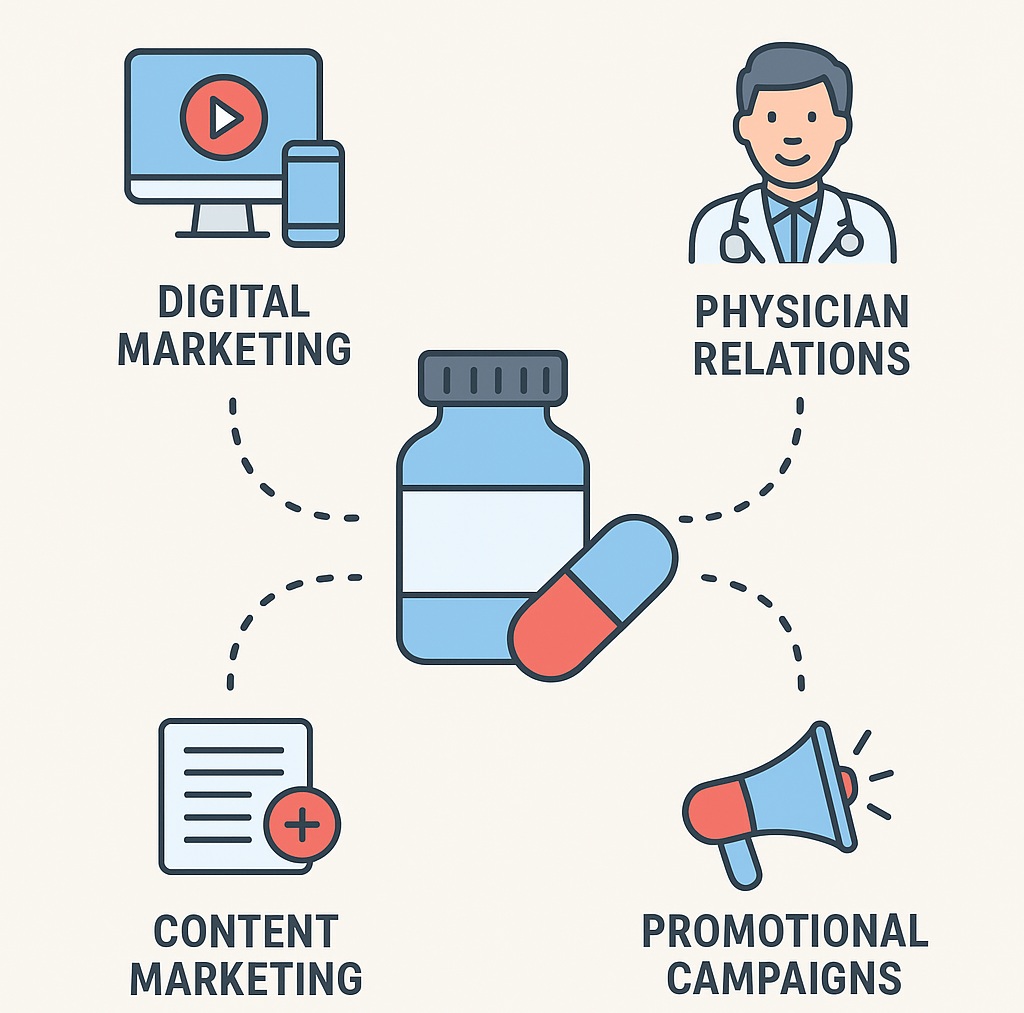
Digital Marketing : Integrate social media, SEO, short videos and other multi-channel reach
Charity Marketing : Building brand image through social responsibility, such as Tom’s Shoes’ buy-one-donate-one model.
4. Special Scenario Strategies
Hunger Marketing : Creating a sense of scarcity through limited production (e.g. Rolls-Royce limited edition)
Analogy marketing : leveraging well-known brands to enhance awareness (e.g. Pan Changjiang comparing himself to Napoleon)
Membership marketing : Using a points system to increase repeat purchases, for example, Walgreens multi-channel membership spending increased sixfold.
Secret Marketing : Keeping some product highlights secret to create a sense of mystery.
5. Emerging Trend Strategy
D2C model : Brands directly reach consumers, reducing intermediaries
C2C fission : leveraging user-to-user transactions to expand network effects
Compliance Marketing : Innovating within regulatory frameworks such as data privacy.
Conclusion
In practice, multiple strategies are often combined.
For example, Haidi uses emotional marketing (service storytelling), word-of-mouth marketing (social media communication), and experiential marketing (on-site service demonstrations). The key is to select the right combination based on product characteristics and target audience, and to continuously test and optimize.






Leave feedback about this