


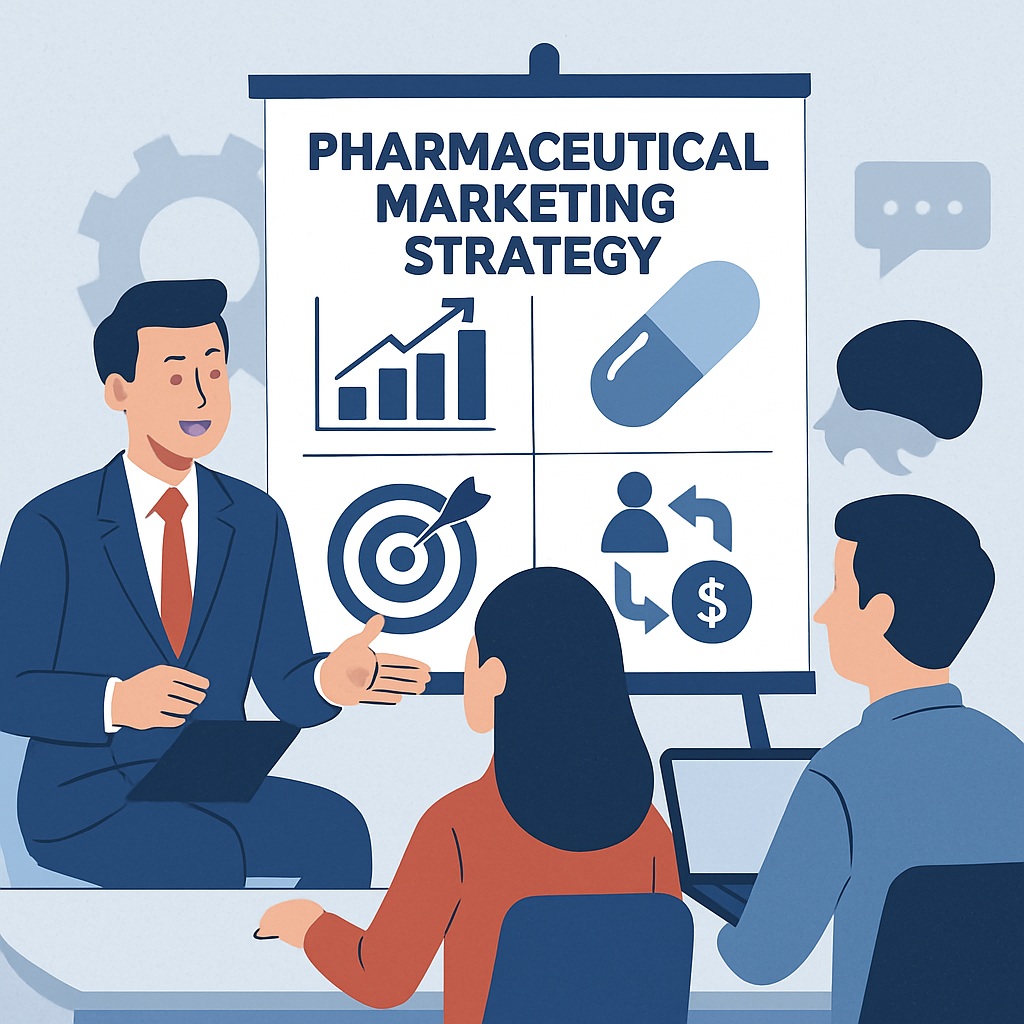
Pharmaceutical marketing is one of the most influential forces in healthcare. Across the globe, drug companies spend billions each year to ensure that their products are noticed—and prescribed—by physicians. From free samples and sponsored conferences to subtle promotional strategies, these efforts directly shape how doctors prescribe medications.
While pharma marketing may help doctors stay updated on the latest treatments, it also raises critical questions. Do these promotions compromise objectivity? Do they increase healthcare costs for patients? And how do they affect the trust patients place in their doctors?
This study explores how pharmaceutical marketing influences doctor prescriptions in both positive and negative ways, with a focus on patient costs, ethical implications, and potential solutions.
The Power of Pharma Marketing
Pharmaceutical companies spend staggering amounts on marketing—often more than on research and development. In the U.S. alone, pharma marketing expenditures exceed $20 billion annually, much of it aimed at doctors rather than patients.
Common strategies include:
- Free samples: Allowing patients to try branded drugs at no cost.
- Gifts & incentives: Ranging from simple pens to expensive trips.
- Sponsored conferences: Covering fees for medical education events.
- Funding research: Sometimes with strings attached regarding publication or drug choice.
While doctors may view these as educational opportunities, studies show a measurable shift in prescribing behavior. Physicians visited frequently by sales reps are more likely to prescribe promoted brands—even when cheaper, equally effective generic alternatives exist.
Prescription Behavior & Brand Loyalty
Doctors, like consumers, develop habits. Pharmaceutical marketing taps into this by reinforcing brand loyalty. Once a doctor becomes familiar with a branded medication, they are more likely to prescribe it consistently.
In countries like India, where regulation is looser, the influence can be particularly strong. Doctors may prefer prescribing branded drugs marketed aggressively, while generic options remain overlooked. In the U.S. and Europe, regulations exist, but marketing still drives subtle loyalty shifts.
Patient Impact: Greater brand loyalty often means limited choice and higher out-of-pocket expenses. Even when generics are equally effective, branded prescriptions dominate because of trust built through marketing.
Impact on Patient Costs
The financial impact on patients is one of the most pressing concerns. Branded drugs can cost 2 to 10 times more than generics. When marketing reduces generic adoption, patients face:
- Higher monthly healthcare bills.
- Reduced accessibility to essential medicines.
- Increased burden on insurance and healthcare systems.
For families without insurance or in countries with weaker public healthcare coverage, this can mean choosing between medication and other essentials. Ethical prescribing practices should balance cost-effectiveness with clinical outcomes—but marketing often tips the scales toward expensive brands.
Ethical Concerns in Pharma Marketing
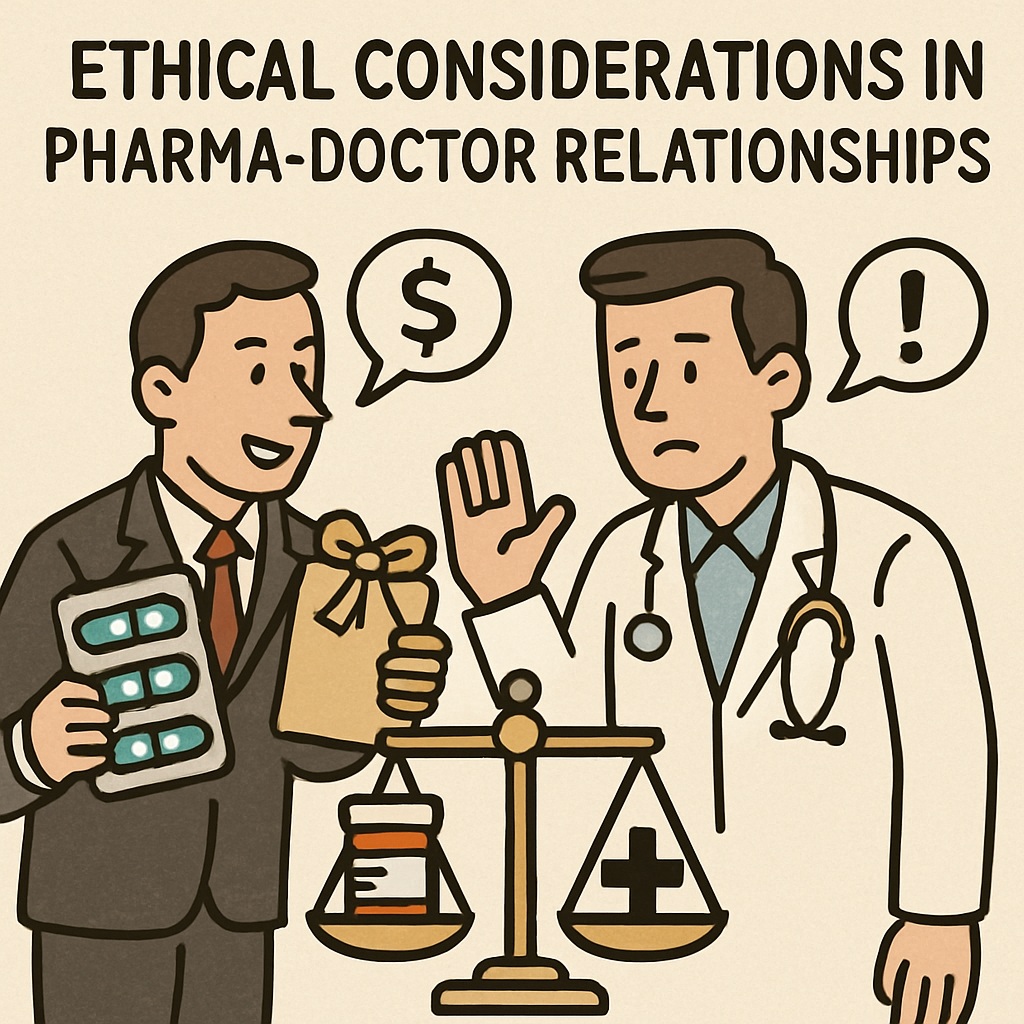
Perhaps the biggest challenge is the ethical conflict of interest. When doctors receive benefits from pharma companies, can their decisions remain fully objective?
Key Ethical Issues:
- Conflicts of interest: Prescriptions may be swayed by incentives.
- Transparency gaps: Patients often don’t know about doctors’ ties to pharma.
- Medical education bias: Sponsored conferences may subtly promote certain drugs.
- Erosion of trust: Patients may lose confidence if they suspect prescriptions are influenced by money.
These concerns are not hypothetical. In several countries, public investigations have revealed extensive ties between pharmaceutical firms and medical professionals.
Regulations & Solutions
Different countries have approached this problem with varying levels of strictness.
- United States: The Sunshine Act requires disclosure of payments from pharma to doctors. This data is publicly available, allowing patients to check if their doctor has financial ties to a drug company.
- European Union: Pharmaceutical companies are required to disclose payments to healthcare professionals and institutions.
- India: The Uniform Code of Pharmaceutical Marketing Practices (UCPMP) exists but remains voluntary, with weak enforcement.
Balancing Marketing & Education
It’s important to note that not all pharma marketing is harmful. Sometimes, interactions with pharmaceutical companies provide doctors with valuable updates about new drugs and treatments. Patients can benefit when their doctors are well-informed.
The key is balance. Educational support should not come at the expense of objectivity. Ethical engagement requires:
- Unbiased medical education separate from promotional events.
- Clear disclosure of industry ties.
- Focus on patient outcomes rather than sales targets.
When done responsibly, pharma engagement can be informative rather than manipulative.
Conclusion
Pharmaceutical marketing undeniably shapes how doctors prescribe medications. While it may provide educational value, it also increases brand loyalty, drives up patient costs, and raises profound ethical questions.
Patients deserve transparency and affordability in healthcare. Doctors deserve unbiased access to medical education. And the healthcare system as a whole needs robust regulation to ensure prescriptions are guided by evidence—not incentives.
Ultimately, every prescription should be written with one goal in mind: the patient’s best interest.
-
- by: binance
- 3 months ago
Your article helped me a lot, is there any more related content? Thanks! https://accounts.binance.com/en/register?ref=JHQQKNKN







Leave feedback about this