

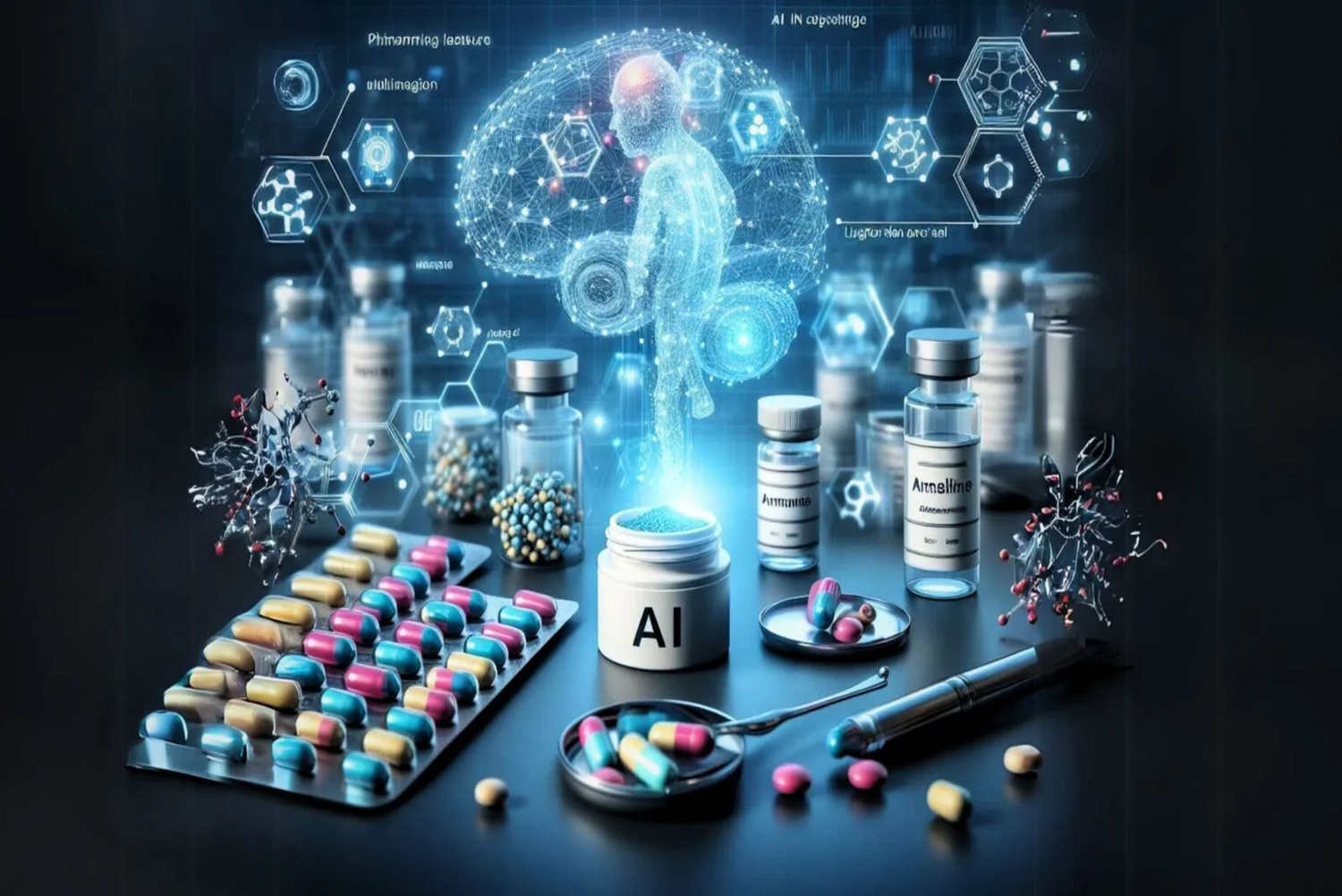
Sudip Pal’s “EMERGING TRENDS ON ARTIFICIAL INTELLIGENCE IN PHARMACEUTICALS: A SYSTEMATIC REVIEW” review examines AI’s impact on pharmaceuticals.
Artificial intelligence (AI) is rapidly transforming the pharmaceutical industry, offering unprecedented opportunities to accelerate drug discovery, optimize clinical trials, enhance manufacturing, and improve regulatory compliance. This document synthesizes key trends, market projections, and applications of AI in the pharmaceutical sector.
AI is projected to generate between $350 billion and $410 billion annually for the pharmaceutical sector by 2025. The global AI in pharmaceutical market is estimated at $1.94 billion in 2025 and is forecasted to reach around $16.49 billion by 2034, accelerating at a CAGR of 27% from 2025 to 2034. AI spending in the pharmaceutical industry is expected to hit $3 billion by 2025.
The review clarifies that AI is distinct from automation and robotics, focusing on intelligent machine learning systems that mimic human cognitive tasks. It highlights AI’s increasing application across various stages of pharmaceutical operations, including:
- Drug Discovery and Development: AI, particularly supercomputer-based technology, is crucial for identifying therapeutics from molecular structure databases, predicting drug properties, de novo drug design, and optimizing lead compounds. It significantly reduces the time and cost traditionally associated with R&D.
- Manufacturing and Quality Control: AI-driven automation enhances production efficiency, ensures quality assurance, and helps in fault detection and trend analysis.
- Clinical Trials: AI assists in patient recruitment, data processing, monitoring, and predicting trial outcomes.
- Personalized Medicine: AI algorithms analyze real-world patient data to support tailored treatment strategies, improving patient adherence and outcomes.
- Disease Diagnosis and Prediction: AI tools are effective in processing unstructured data to diagnose specific diseases and predict outbreaks (e.g., COVID-19, Zika, Ebola).
- Pharmacokinetics/Pharmacodynamics (PK/PD) Investigations: AI helps predict drug behavior within the body.
The paper also addresses the challenges in AI adoption within the pharmaceutical sector, such as high initial costs, potential job displacement concerns, data security and privacy issues, problems with data availability and quality, and the need for clear regulatory guidance and ethical frameworks.
Despite these hurdles, the review concludes that AI holds immense potential to drive quick, affordable, and effective advancements in pharmaceutical research and healthcare services, ultimately leading to better public services and improved patient outcomes. It emphasizes the importance of deep learning, neural networks, and unsupervised learning in these advancements.




Leave feedback about this