Pharma Marketing

Beyond the Pill: Unlocking Pharma Growth in Emerging Markets
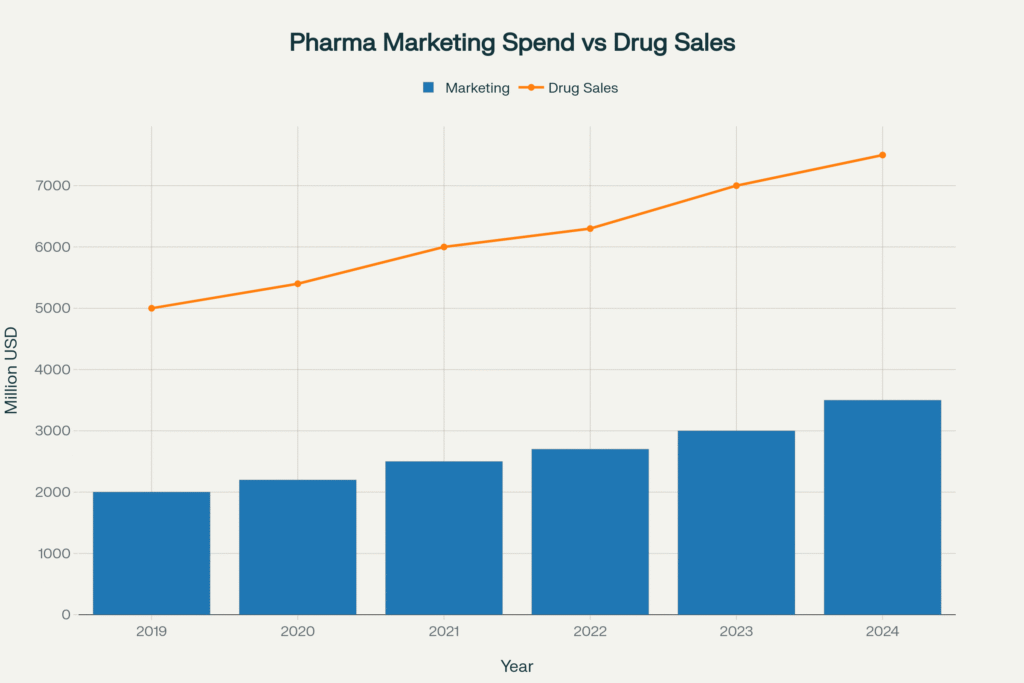
Emerging pharmaceutical markets, such as Brazil, Russia, India, China, and Turkey, are prime locations for innovative sales strategies. Facing global competition and economic instability, pharmaceutical companies allocate nearly a third of their revenue to promotional activities, increasing both conventional and unconventional tactics to gain market share. This overview, based on a detailed study, examines these strategies, their implications, and how healthcare professionals can navigate this environment.

Key Tactics Employed by Pharmaceutical Companies

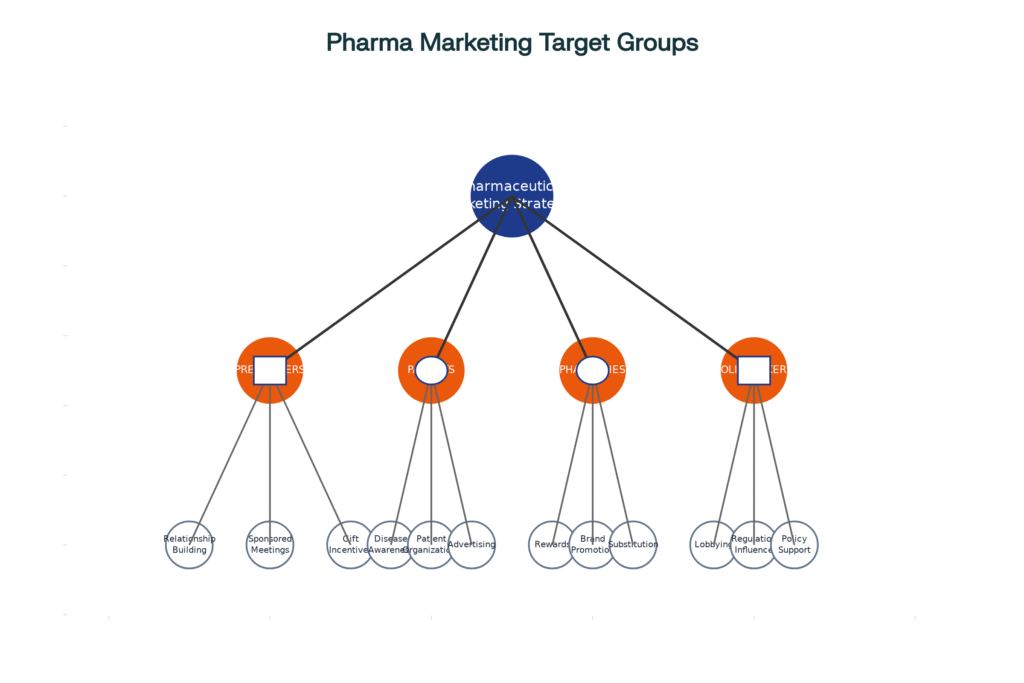
Personal Marketing & Relationship Building

  • Face-to-face interactions through detailing visits foster trust and credibility.
  • Establishing personal friendships with physicians to evoke reciprocity and influence prescription choices.
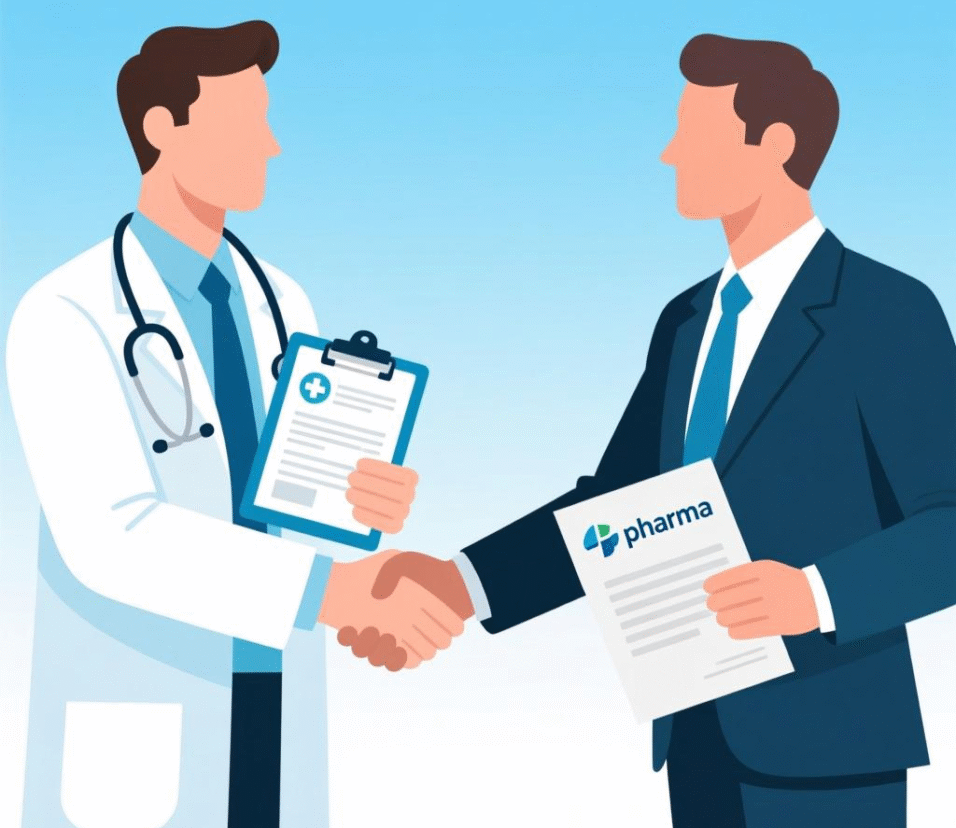
  • Companies focus on building personal relationships with physicians through gifting, sponsored scientific meetings, and tailored communication, sometimes influencing prescribing through subtle indebtedness.

Corruption & Illegal Practices

  • Providing illicit incentives such as gifts, kickbacks, or covert payments.
  • Exploiting systemic pressures like quota systems that may encourage illegal arrangements.

Market Penetration & Seeding

  • Using clinical trials to promote and familiarize prescribers with new drugs.
  • Supplying consumables or hardware to clinics to embed products into routine practice.

Substitution & License Manipulation

  • Influencing pharmacies to substitute prescribed drugs with company-preferred alternatives. Cash rewards and incentives encourage pharmacists to promote or substitute branded drugs.
  • Intervening in licensing processes during drug registration phases.

Targeting Multiple Stakeholders

  • Not only prescribers but also pharmacists, healthcare authorities, and even the public are targeted to reinforce product adoption.
  • Disease awareness campaigns, covert advertising, and support for patient organizations help turn public demand toward specific medicines, sometimes described as “disease mongering.”

“The strategies are universally applied. These methods target prescribers, patients, pharmacists, and society in general.”

Impactful Examples from the Study

  • The use of clinical trials as “seeding” strategies in developing countries helps ensure prescribers become familiar with specific medications, often sidestepping regulatory oversight.
  • Providing consumable materials and hardware creates a dependence on the company’s products, further entrenching market presence.
  • Instances where companies manipulate licensing or influence substitution policies exemplify deeper interference within healthcare systems.

Engagement Boosters for Healthcare Professionals

  • Leveraging Science & Ethics: Understanding subtle marketing tactics is crucial. Continuous education empowers physicians to make evidence-based decisions, free from commercial influence. Companies may leverage sponsored clinical trials and key opinion leaders to manipulate scientific knowledge and public trust.
  • Policy & Regulation Advocacy: Strengthening national and international regulatory frameworks can curb unethical marketing practices.
  • Transparency & Accountability: Promoting transparent interactions between pharmaceutical companies and healthcare providers helps safeguard patient interests.

“Companies intervene immediately to prevent developments that may decrease sales, exploiting educational and infrastructural needs.”

Key Highlights

  • Sales strategies in emerging markets blend regulatory and cultural adaptation, personalization, and high-impact promotional investments.
  • Ethical concerns include blurred lines between education and promotion, transparency, and risk of irrational prescribing.
  • Policymaker lobbying and regulatory loopholes are common, amplifying market influence.

Conclusion

Pharmerging markets face unique challenges with pharmaceutical sales strategies that often blend legal and unethical tactics. Healthcare stakeholders must stay vigilant, advocate for robust regulation, and prioritize education to ensure that pharmaceutical marketing actions serve public health interests, not just corporate profits.

20%
OVERALL

Reviewed by 1 user

    • 1 month ago

    Can you be more specific about the content of your article? After reading it, I still have some doubts. Hope you can help me.

    • 1 month ago

    Thank you for your sharing. I am worried that I lack creative ideas. It is your article that makes me full of hope. Thank you. But, I have a question, can you help me?

    • 3 months ago

    Phlove1? Okay, I’m in love! (pun intended 😂) Seriously though, the site’s clean, the games are fun, and it’s generally a good time. Check ’em out! phlove1

    • 3 months ago

    Apaldologin makes it super easy to jump into the games. The site is clean and runs smoothly. Definitely worth checking out if you’re looking for a new spot to play. Login now at apaldologin.

Leave feedback about this

  • Quality
  • Price
  • Service
Choose Image