Uncategorized

Do you need marketing strategy to beat competitors?


Marketing strategy is a comprehensive plan that outlines an organization’s overall approach to marketing its products or services. It involves several key components, including market research, brand positioning, value proposition and messaging, targeting and segmentation, and strategic audit.

Component overview:

1. Define your goals

What do you want to achieve with your marketing efforts? Do you want to increase brand awareness, generate leads, drive sales, or something else?

In pharmaceutical marketing, clearly defined goals are essential for guiding efforts and measuring success. Unlike marketing in other industries, pharma marketing operates within a highly regulated environment and prioritizes building trust with Doctors and patients.

Key goals of pharma marketing include:

1. Increase Brand & Product Awareness:

Establish brand and product recognition among the target audience, ensuring consideration as a treatment option. Example: Achieve 80% awareness of a new Type 2 Diabetes drug among endocrinologists in the target region within six months through digital ads, medical journal advertisements, and conferences, focusing on the product’s name, key benefits, and mechanism of action.

2. Drive Product Adoption & Market Share: Convert awareness into action by encouraging prescription and product use. Example: Increase prescriptions for a new-generation anticoagulant by 15% within the first year by providing compelling clinical trial data, highlighting its safety profile, and offering detailed support materials for HCPs.

3. Educate Healthcare Professionals (HCPs): Provide HCPs with the necessary scientific data, usage guidelines, and clinical evidence for safe and effective prescribing. Example: Host educational webinars and symposiums featuring key opinion leaders (KOLs) to discuss the long-term efficacy and safety of a new monoclonal antibody, building credibility and confidence in its use.

4. Enhance Patient Outcomes & Treatment Adherence: Support patients in managing their condition and adhering to treatment regimens. Example: Develop a mobile app for asthma patients with medication reminders, educational videos on inhaler technique, and symptom tracking to improve patient adherence from 60% to 75% over a year.

5. Strengthen Stakeholder Relationships: Build trust and long-term relationships with stakeholders, including doctors, pharmacists, hospitals, payers, and patient advocacy groups, to ensure market access and a strong reputation. Example: Sponsor a national conference for a specific disease community or partner with a patient advocacy group to raise awareness about a rare disease to demonstrate commitment and build goodwill.

A successful pharma marketing strategy defines multiple, interconnected goals aligned with the product’s lifecycle and the target audience’s specific needs.

2. Market research

Market research is essential in pharma marketing for navigating the complex healthcare landscape and building effective strategies. It involves analyzing the needs and behaviors of stakeholders, including patients, physicians, payers, and hospitals, to identify opportunities and address challenges.

Key areas of market research include:

  1. Patient Behavior: Understanding patient journeys from symptom recognition to treatment, including factors influencing treatment choices, medication adherence, and preferred information sources. For instance, surveys can reveal reasons for medication adherence challenges in diabetes patients.
  2. Physician Insights: Gaining insights into prescribing habits, decision-making factors (e.g., efficacy, side effects, cost), and attitudes toward new therapies through surveys and interviews with physicians.
  3. Competitor Analysis: Monitoring competitor activities such as product launches, pricing, and marketing campaigns to effectively position products.
  4. Market Sizing and Forecasting: Estimating market size and predicting future sales trends to determine the potential ROI for new drugs.
  5. Payer and Policy Analysis: Analyzing insurance and government policies to understand their impact on drug reimbursement and market access.

Example: Launching a New Arthritis Drug

Consider “Innovate Pharma,” launching a new rheumatoid arthritis drug. A successful strategy would use both primary and secondary market research:

  1. Primary Research: Conducting focus groups with rheumatologists to understand challenges with current treatments and desired features in a new drug (e.g., fewer side effects, less frequent dosing). Patient surveys can gauge willingness to switch medications and identify pain points with existing treatments.
  2. Secondary Research: Analyzing reports on the global arthritis market size, trends, and prescribing patterns of competing drugs. Studying reimbursement policies from insurers and government health agencies to anticipate pricing and market access issues.

By combining these methods, Innovate Pharma can make informed decisions on pricing, promotional messages (targeting key features for doctors), and patient segmentation, leading to a more successful product launch.

3. Brand positioning

Define your product or service’s unique value proposition and communicate it clearly to your target audience. This includes defining your brand’s differentiating characteristics, values, personality, and visual identity.

In pharma marketing, brand positioning is the strategic process of defining a drug, device, or service’s unique and valuable identity in the minds of the target audience, which includes both Doctors and patients. It involves creating a distinct and compelling image that differentiates your product from competitors based on its unique clinical benefits, values, and reputation.

To position a brand effectively, a company must define:

  • Unique Value Proposition (UVP): What is the single most important benefit the brand offers?
  • Differentiating Characteristics: What specific features (e.g., faster onset of action, fewer side effects, once-a-day dosage) make it superior or different?
  • Values & Personality: What does the brand stand for? Is it innovative, reliable, or patient-centric?
  • Visual Identity: How is this brand message communicated visually through its logo, packaging, and marketing materials?

Example: Telma (Telmisartan) by Glenmark Pharmaceuticals

1. The Product: Telma is a well-known brand of the drug Telmisartan, used to treat hypertension (high blood pressure). It operates in a highly competitive market with many generic versions available.

2. Brand Positioning Strategy: Glenmark has successfully positioned Telma not just as another generic drug but as a premium, high-quality, and reliable brand.

  • Unique Value Proposition:
    • For Doctors: “Consistent, 24-hour blood pressure control with a superior safety profile.”
    • For Patients: “A trusted, high-quality medication for managing your hypertension effectively.”
  • Differentiating Characteristics:
    • Dosage & Efficacy: Telma is positioned as a once-a-day tablet that provides consistent and long-lasting blood pressure control, which is a key factor for patient adherence.
    • Quality: In a market flooded with generics, Telma is positioned as a brand you can trust for its consistent manufacturing quality and bio-availability, which is a major concern for physicians.
  • Values & Personality:
    • Reliability: The brand’s messaging emphasizes dependability and long-term efficacy.
    • Scientific Backing: Communication to doctors focuses heavily on clinical trial data, stability studies, and scientific evidence to build trust.
    • Trust: Glenmark’s reputation as a strong Indian pharma company adds a layer of trust.
  • Visual Identity & Communication:
    • Packaging: The packaging for Telma is clean, professional, and consistent, creating an image of a high-quality pharmaceutical product.
    • Marketing to HCPs: Promotional materials for doctors often highlight scientific data, comparative studies, and the drug’s effectiveness in real-world scenarios.
    • Patient Messaging: While direct-to-consumer advertising is restricted, patient-facing materials (like patient education flyers) might focus on the convenience of a once-a-day pill and the importance of long-term control.

By establishing this position, Telma has managed to command a premium price and maintain a dominant market share despite numerous generic competitors, proving that a strong brand identity is a powerful asset in the Indian pharma landscape.

4. Value proposition and messaging

This involves developing clear, compelling messages that communicate the value your product or service offers to customers. It can involve identifying key benefits, creating a unique selling proposition (USP), and developing messaging that resonates with your target audience.

In pharma marketing, the value proposition and messaging are two distinct but interconnected concepts. The value proposition is the core benefit you offer, while messaging is the way you communicate that benefit to your audience.

1. Value Proposition (The “What”)

The value proposition is the unique combination of benefits, features, and advantages a product offers to a specific audience. It answers the fundamental question: “Why should a doctor prescribe or a patient choose this product over all others?”

In the Indian context, a value proposition must often consider:

  • Clinical Efficacy & Safety: How well does it work, and what are the side effects?
  • Cost-Effectiveness: Is it affordable for the patient, and is it a smart choice for the public healthcare system?
  • Patient Convenience: Is it a single pill, an injection, or does it require complex administration?
  • Relevance to Local Needs: Does it address co-morbidities common in the Indian population (e.g., cardiovascular disease in diabetes patients)?

2. Messaging (The “How”)

Messaging is the crafted language, tone, and communication strategy used to articulate the value proposition. It is the story you tell, tailored to the specific audience you are trying to reach.

The messaging for a doctor is different from that for a patient or a hospital administrator. It must be evidence-based, compliant, and culturally relevant.

Example

Let’s imagine a pharmaceutical company is launching a new drug for Type 2 Diabetes in the Indian market. Let’s call it “GlycoShield.”

Step 1: Define the Value Proposition

The company’s research has shown that GlycoShield not only provides excellent blood sugar control but also significantly reduces the risk of cardiovascular complications and kidney damage, which are major concerns among the Indian diabetic population. The drug is also a once-daily tablet.

  • Value Proposition for Doctors: GlycoShield offers superior glycemic control with the added, life-saving benefit of cardio-renal protection. It simplifies patient management with a once-daily dose and is backed by a clinical trial conducted on an Indian patient cohort, demonstrating its efficacy and safety in the local context.
  • Value Proposition for Patients: GlycoShield helps you manage your diabetes with a simple pill and, most importantly, protects your heart and kidneys from future complications, giving you peace of mind.

Step 2: Create the Messaging

The company now translates these value propositions into specific, targeted messages.

A. Messaging for Doctors (Scientific & Evidence-Based):

  • Medical Journal Ad Headline: “Beyond Glycemic Control: GlycoShield – Proven Cardio-Renal Protection for Your Diabetic Patients.”
  • Sales Representative Pitch: “Doctor, the key finding from our Glyco-INDIA trial is the statistically significant reduction in cardiovascular events. This isn’t just a sugar-controlling drug; it’s a comprehensive protective shield, which is a game-changer for our patients.”
  • Conference Presentation: Displaying graphs and data tables showing the reduction in heart failure hospitalizations and delayed progression of chronic kidney disease.

B. Messaging for Patients (Simple & Relatable):

  • Patient Brochure Headline: “Your Diabetes Care, Now with Heart & Kidney Protection.”
  • Tagline: “GlycoShield: Taking care of your sugar, and your tomorrow.”
  • Digital Content (e.g., on a website): Using simple analogies. “Just like a shield, GlycoShield works to protect your vital organs while managing your sugar levels, helping you stay active and healthy.”

A product’s value proposition is its core benefit. Strategic messaging communicates this benefit to diverse audiences, building understanding, trust, and driving action by addressing local clinical needs and patient concerns.

5. Targeting and segmentation

This involves identifying specific customer segments that are most likely to be interested in your product or service and tailoring your marketing efforts to those segments. It can involve demographic, psychographic, and geographic segmentation.

In pharma marketing, segmentation and targeting are crucial strategies for ensuring that a product’s value proposition reaches the right audience. These steps are particularly complex in India due to its vast size, diverse population, and fragmented healthcare system.

Segmentation

Segmentation is the process of dividing a broad market into smaller, distinct groups of customers with similar needs, characteristics, or behaviors. In pharma, these groups are typically Doctors and Patients. Common segmentation variables include:

  • Geographic: Targeting doctors and patients in specific regions, cities, or even rural vs. urban areas.
  • Demographic: Segmenting by a doctor’s age, specialty, or years of experience, or by a patient’s age, income, and health status.
  • Behavioral: Grouping doctors by their prescribing habits (e.g., early adopters of new drugs vs. brand-loyal prescribers) or patients by their lifestyle and treatment adherence.
  • Psychographic: Understanding a doctor’s beliefs, attitudes towards new research, or a patient’s health-seeking behavior and mindset.

Targeting

Targeting is the subsequent step of selecting one or more of these segments to focus marketing efforts on. In India, this requires a deep understanding of the unique market dynamics, including the prevalence of public vs. private healthcare, diverse linguistic and cultural backgrounds, and varying levels of digital literacy.

1. Public vs. Private Healthcare Targeting

The Indian healthcare system has a distinct divide between the public and private sectors, which demands different targeting strategies.

  • Public Hospitals & Institutions: These institutions primarily focus on cost-effective care and are heavily influenced by government regulations and drug formularies.
    • Example: A company launching a new generic version of a drug for a common ailment like hypertension will target key decision-makers in state-run hospitals and public health programs. The marketing message will focus on the drug’s affordability and efficacy, using scientific detailing that aligns with the institution’s cost-saving objectives.
  • Private Clinics & Corporate Hospitals: These are often driven by patient demand, brand reputation, and the latest treatment options.
    • Example: A multinational company launching a new, patented biologic for a complex disease like Crohn’s disease will target gastroenterologists in Tier 1 and Tier 2 cities who practice in large corporate hospitals. The marketing will focus on the drug’s superior clinical outcomes and its unique mechanism of action, using channels like sponsored medical conferences and personalized digital outreach.

2. Urban vs. Rural & Tier-based Targeting

India’s economic and social diversity necessitates a multi-tiered approach to marketing.

  • Tier 1 & Tier 2 Cities: These are saturated markets with a high density of specialists and patient traffic.
    • Example: A company launching a specialty cardiac drug will target senior cardiologists in cities like Mumbai, Delhi, and Bengaluru. The marketing will emphasize the drug’s innovation and use e-detailing (digital presentations on tablets) and multi-channel campaigns that align with the doctors’ preference for quick, data-rich interactions.
  • Tier 3 Cities & Rural Areas: These markets are dominated by General Practitioners (GPs) and have limited access to specialists.
    • Example: For an antibiotic used to treat common infections, a company will target GPs in smaller towns. The strategy will involve a vast field force of medical representatives who build strong personal relationships and provide tangible support, such as free samples and educational materials in local languages, to ensure the product is readily available and top-of-mind.

3. Behavioral and Psychographic Targeting

In a highly competitive market, segmenting doctors based on their prescribing behavior is essential.

  • Example: A pharma company selling a diabetes drug will segment its target audience of diabetologists and endocrinologists into three groups:
  • Early Adopters: Doctors who are quick to prescribe new molecules. They are targeted with scientific research papers, Phase 3 trial data, and invitations to exclusive launch events.
  • Brand-Loyal Prescribers: Doctors who stick to a few trusted brands. The marketing aims to highlight the new drug’s long-term safety and patient-friendly features to persuade them to add it to their established list of prescriptions.
  • Price-Conscious Prescribers: Doctors who prioritize affordability for their patients. The company might offer cost-effective generics or different pack sizes, and marketing will focus on the drug’s superior cost-benefit ratio.

6. Determine your marketing mix

      Determine your marketing mix: Choose the marketing channels and tactics you will use to reach your target audience. This might include social media, content marketing, email marketing, paid advertising, and more.

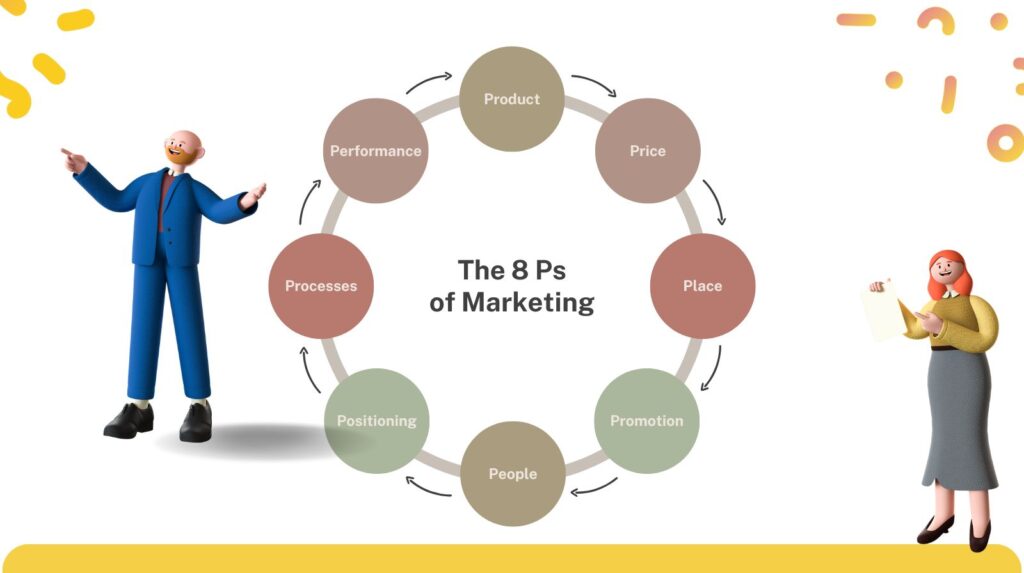
The marketing mix, traditionally known as the “4 Ps” (Product, Price, Place, Promotion), is a fundamental framework used to strategize and execute marketing campaigns. In India’s pharmaceutical sector, this mix is uniquely shaped by a diverse market, stringent government regulations, and a dual-audience model of targeting both Doctors and Patients.

Here is a breakdown of the pharma marketing mix with specific Indian examples:

1. Product

In pharma, the “Product” is not just a pill; it’s the drug itself, its formulation, efficacy, safety, and a whole host of associated services. The core offering—a drug, vaccine, or medical device—and all its features, benefits, and quality. This also includes the branding, packaging, and the clinical data that supports its use. For example company like Cipla or Dr. Reddy’s Laboratories, the product strategy revolves around producing high-quality, affordable generics for drugs whose patents have expired. Their “product” is a trusted, cost-effective alternative to expensive, branded drugs. This strategy directly addresses the affordability needs of the vast Indian population.

2. Price

Pricing in the Indian pharmaceutical market is highly complex, influenced by government policy, market competition, and the drug’s patent status. The pricing strategy for a drug, which must consider not only production costs but also government price controls, competition, and its perceived value. The National Pharmaceutical Pricing Authority (NPPA) sets price caps for drugs on the National List of Essential Medicines (NLEM). For a drug on this list, a company has limited pricing freedom. For instance, a life-saving antibiotic on the NLEM will have a government-controlled ceiling price, while a lifestyle drug or a new-to-market patented drug may be priced much higher, reflecting its R&D costs and market value.

3. Place (Distribution)

“Place” refers to the channels through which a drug reaches its end-user. In India, this involves a massive and intricate network. The system of distribution, logistics, and sales channels that ensures a product is available where and when it’s needed. This includes pharmacies, hospitals, and rural health centers. The distribution network for a major pharma company like Sun Pharma or Zydus Lifesciences is a multi-tiered system. It includes:

  • C&F (Carrying and Forwarding) Agents: Large warehouses that stock the product.
  • Distributors & Wholesalers: They supply products to local markets.
  • Retail Pharmacies: Both large chain pharmacies (e.g., Apollo Pharmacy) and independent local drugstores.
  • e-Pharmacies: The rise of online pharmacies like PharmEasy and Netmeds has created a new, direct-to-consumer channel, especially for over-the-counter (OTC) and scheduled drugs.

4. Promotion

Promotion in pharma is heavily regulated and primarily targets HCPs rather than direct consumers, especially for prescription drugs. The communication strategies used to inform, persuade, and remind the target audience about a product. This includes a mix of traditional and modern methods.

    • Medical Representatives (MRs): The backbone of pharma promotion in India. MRs visit doctors to provide clinical data, samples, and information about new drugs. This personal selling remains the most critical channel.
    • Digital Marketing: Due to the pandemic and growing digital literacy, companies are shifting to e-Detailing, webinars, and virtual conferences to engage with doctors.
    • Consumer Advertising (for OTC drugs): For non-prescription products, companies can use mass media. A great example is Mankind Pharma’s social cause-driven campaigns for products like Unwanted-21 or their “Vaccinate My India” campaign, which builds strong brand equity by connecting with a social message.
       

In summary, the marketing mix in India’s pharma sector is a blend of traditional, relationship-based strategies (like MRs and extensive distribution networks) and modern digital tactics, all operating within a unique regulatory framework that prioritizes affordability and ethical promotion. 

7. Set your budget

      Determine how much you can afford to spend on marketing and allocate your budget across your chosen channels and tactics. In India, a pharmaceutical marketing budget is a carefully planned expenditure, typically ranging from 5% to 15% of a company’s total revenue. This budget is primarily directed toward Doctors and is heavily influenced by the Uniform Code for Pharmaceutical Marketing Practices (UCPMP) 2024, which prohibits gifts, travel, and other personal benefits for doctors.

Key Components of a Pharma Marketing Budget in India

The budget is strategically allocated across various channels to build relationships, educate Doctors, and drive prescriptions. The major components include:

  • Field Force (Medical Representatives): This is historically the largest expense, accounting for over 50% of the budget. It covers salaries, incentives, and travel for medical representatives (MRs) who visit doctors to detail products. While gifts are now prohibited under UCPMP 2024, the direct interaction remains crucial.
  • Continuing Medical Education (CME): This is a key channel for engaging doctors ethically. The budget is allocated to sponsoring educational events, workshops, and symposiums. These must be transparent and focused on scientific exchange.
  • Digital Marketing: This is a rapidly growing segment of the budget. Funds are used for a variety of digital channels:
  • Educational Content: Webinars, e-conferences, and virtual platforms to deliver scientific information.
  • Email Marketing: Communication with HCPs about new research and product updates.
  • Professional Networking Platforms: Ads and engagement on platforms like Sermo and other medical communities.
  • Product Samples: The distribution of free samples is a significant budget item, but it is strictly regulated. UCPMP 2024 mandates that samples must not exceed 2% of a company’s domestic sales per year and are limited to a specific quantity per doctor.
  • Medical & Scientific Affairs: This includes funding for clinical research, publications in medical journals, and creating scientific documents. This is a critical investment to build a product’s credibility.

Example: Mankind Pharma’s Approach

Mankind Pharma, a leading Indian pharmaceutical company, offers a great example of a diversified marketing budget. Known for its strong domestic presence and aggressive marketing, the company has traditionally had a large field force.

In recent years, Mankind’s budget has shifted to reflect modern trends and the UCPMP regulations. The company has invested in:

  • Digital-first campaigns for its consumer health products, such as its “Unwanted 21” or “Mask My India” campaigns, using video ads and social media to directly reach the public and create brand awareness.
  • Scientific engagement for its prescription drugs, focusing on educational content and professional platforms to build trust with doctors. This strategy ensures the company remains compliant while still effectively promoting its products.

8. Strategic audit

This involves assessing your organization’s overall marketing strategy to identify strengths, weaknesses, opportunities, and threats. It can involve analyzing internal factors (e.g., capabilities, resources) and external factors (e.g., competition, market trends) to inform future marketing decisions.

20%
OVERALL

Reviewed by 1 user

    • 1 month ago

    buy cannabis capsules online safe and tested

    • 4 months ago

    Sprunki adds a fresh twist to the fun of Incredibox with new beats and visuals. It’s great to see such creative game mods. Check out Sprunki for a unique music-mixing experience.

    • 4 months ago

    […] 3. Communication and Traffic Strategy […]

Leave feedback about this

  • Quality
  • Price
  • Service
Choose Image